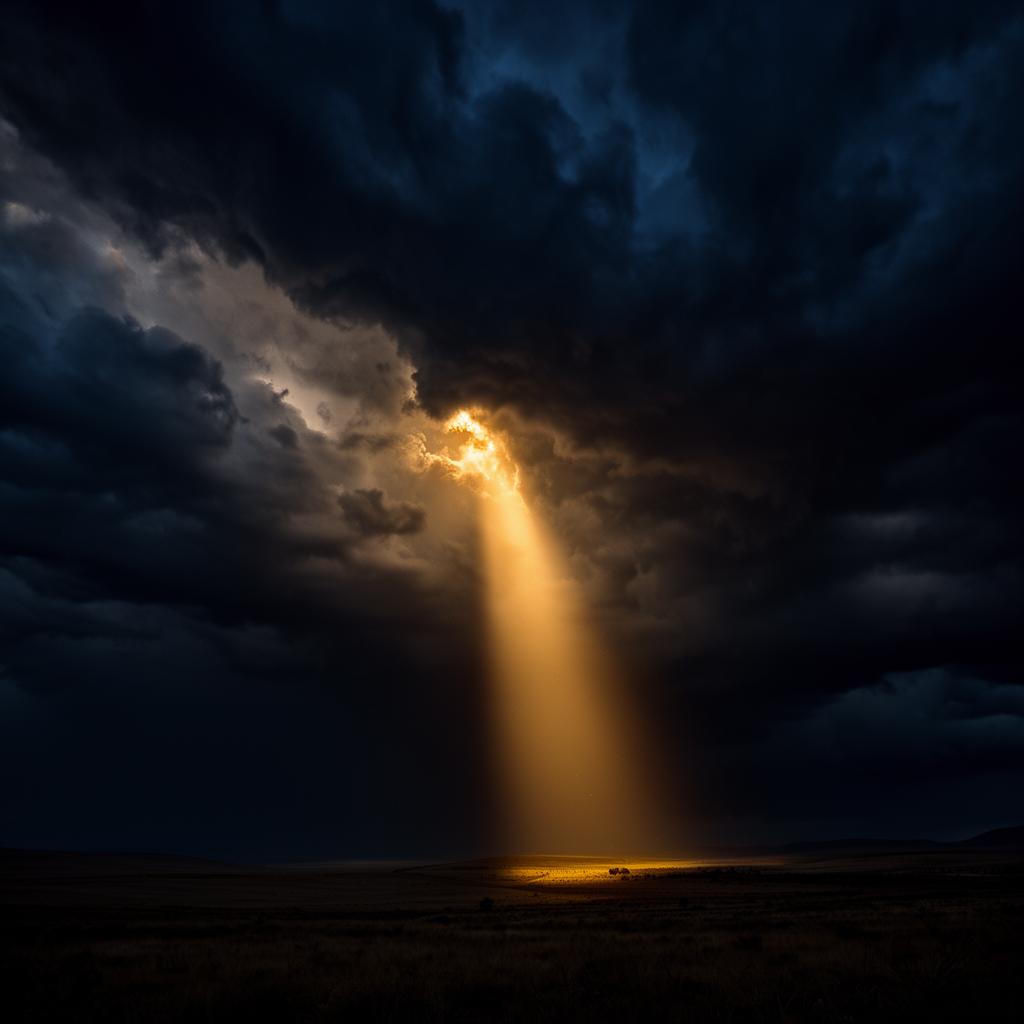
1080×1080 · instagram-square
Sheol Is a Distinct Realm
THE AFTERLIFE ·
Ready-To-Post Teaching
Psalm 16:10 declares, "You will not abandon my soul to Sheol, or let your holy one see corruption." This verse introduces us to Sheol, a concept of the afterlife that is central to understanding the Old Testament's view of death. It refers not to the grave itself, but to the dwelling place of the dead—a distinct realm where activity ceases. The psalmist expresses confidence that God’s presence will transcend even this boundary, preventing a permanent stay in this place of decay.
In the ancient Near East, the understanding of the afterlife was often vague and shadowy. Sheol, while not hell in the New Testament sense, was conceived as a subterranean place from which there was little or no return for mortals. It was a common destination for all the dead—righteous and unrighteous alike—a place of silence, darkness, and weakened existence. This contrasts sharply with the vibrant life on earth and the glorious presence of God in heaven, positioning Sheol as a third, separate domain in the cosmos.
For us today, understanding Sheol helps us appreciate the radical nature of Christ's resurrection. He truly descended into the realm of the dead, demonstrating His power over all spiritual domains. This fulfills the prophecy of Psalm 16:10, showing that God did not abandon His Holy One to Sheol. It assures us that our hope is not merely for rescue from Sheol, but for new, eternal life, transforming our view of death from a dim end to a temporary transition into God's radiant presence. Our worship is thus deepened, knowing Christ's victory extends to every realm.
What the Scripture Says
- Psalm 16:10ESV
You will not abandon my soul to Sheol, or let your holy one see corruption.
Hashtags
#sheol #afterlife #psalm16 #resurrection #biblicalteaching #christvictory #oldtestament #eternallife